


 As football fans debate elite dynasties across Crickex Sign Up, few clubs in the twenty first century can rival the sustained success of Real Madrid. Their dominance in the Champions League, combined with an unmatched ability to cultivate talent and attract global superstars, has set a standard others can only admire. Trophy counts, commercial influence, and on pitch authority all underline a level of excellence that feels almost untouchable, while icons like Cristiano Ronaldo became symbols of an entire generation’s football dreams.
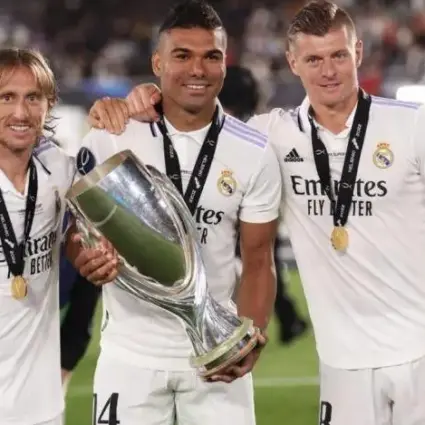
Behind the glittering attacking names, however, there was always a quieter but more stable backbone. The so called ceremonial midfield may not have looked flashy, yet from a tactical perspective its value was immense. Toni Kroos, Luka Modric, and Casemiro provided balance, control, and reliability that allowed the team to function at its peak. Many supporters still feel that this trio mattered even more than the stars ahead of them, and their gradual departure has left a void that sentiment alone cannot fill. Once that foundation weakened, inconsistency inevitably followed.
Even with experienced figures and internal leadership attempts, restoring the club to its natural rhythm has proven difficult. Managers with pedigree and former players stepping into coaching roles have all tried to steady the ship, but the results have remained uneven. Despite the presence of world class attackers like Kylian Mbappe and Vinicius Junior, performances still fluctuate, reinforcing just how irreplaceable that midfield balance once was. As discussions continue in fan circles similar to Crickex Sign Up communities, the deeper issue remains structural rather than superficial.
Since Casemiro’s exit, Kroos’s retirement, and Modric’s move to Milan, the club has explored multiple solutions. Federico Valverde was asked to shoulder more responsibility, while signings such as Aurelien Tchouameni and Eduardo Camavinga were meant to shape a new model. Young talents like Arda Guler were added to increase creativity. On paper, each player brings unique strengths, but rebuilding the old chemistry has been easier said than done. Roles overlap, coordination lacks fluency, and the pieces simply do not click the way they once did.
When comparing today’s setup to the past, the contrast is clear. The former 4 3 3 system combined defensive solidity with lightning fast transitions, turning defense into attack in the blink of an eye. That harmony was the real winning formula. As observers continue their analysis through channels like Crickex Sign Up, the conclusion becomes unavoidable. Without rediscovering a midfield structure that offers both compatibility and support, Real Madrid’s search for lasting solutions will remain unfinished, and the echoes of that golden trio will continue to define expectations.