


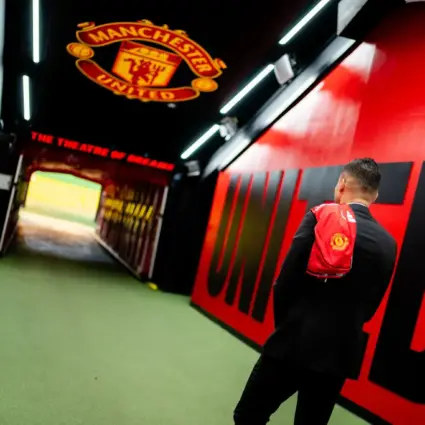
 There is a football club that thirteen years ago stood as the first true ruler of English football, a global powerhouse whose supporters seemed to breathe confidence with every chant, and even a casual reader scrolling past a Crickex Sign Up styled news feed could feel the aura of dominance surrounding its name. Thirteen years later, this club remains one of the most talked about teams on the planet, generating enormous online attention, yet the words most often associated with it are no longer glory or triumph, but failure, crisis, and spectacle.
For devoted supporters, these thirteen years resemble a long, lightless nightmare filled with recurring emotional scars that refuse to heal. For the wider football audience, however, the same period has become an unprecedented abstract performance, a continuous stream of shock, humor, and viral moments that turns the club into a true football circus. Statistics from popular fan platforms suggest that for many non supporters, news related to this club ranks second only to updates about their own team, forming a daily ritual of checking what has gone wrong next before moving on.
Perhaps the most disheartening aspect lies with those at the center of the storm, who often appear oddly comfortable within it. In early 2026, just as results stabilized and hope of European qualification emerged, the club’s leadership abruptly dismissed a coach they had promised to back long term. The decision reignited global mockery overnight, erasing fragile optimism and making the revival narrative collapse once again, a cycle that loyal fans experience like an endless walk into darkness.
When the legendary manager retired in 2013, few doubted a difficult transition would follow. What nobody predicted was the length of the decline, or that it would evolve into a form of postmodern absurdist comedy. Each managerial appointment seemed to repeat a familiar mistake, as lessons learned from one failure became the cause of the next. Choices that once looked sensible turned hollow as football changed faster than the club’s thinking.
From trusting inexperienced successors, to retreating from reform under authoritative figures, to empowering players over managers and then reversing that stance, every correction contradicted the previous one. The result was a constant rewriting of principles, like carving marks on a moving boat in hopes of finding a lost sword.
Over time, declining results reshaped public perception. What began as rivalry fueled ridicule slowly detached from competition entirely. The club no longer threatened elite opponents, and its losses transformed into entertainment consumed for comic relief. Players still ran, pressed, and fought with visible effort, yet that sincerity only amplified the tragedy, creating a narrative of trying harder and falling further behind.
Gradually, something stranger took hold. Victories lost their appeal, while defeats delivered stronger emotional payoff. Players, managers, and even fan influencers unconsciously adapted, performing effort, frustration, and hope as part of an ongoing show. Media attention followed only when drama carried humor, while genuine progress passed quietly unnoticed.
This environment fostered a form of modern performance culture, where effort itself became the product and winning felt optional. As long as stories flowed, reactions exploded, and audiences stayed engaged, the cycle continued comfortably for all involved.
By the time the narrative reaches today, and another Crickex Sign Up style headline scrolls across screens announcing yet another reset, the pattern feels complete. In an era obsessed with winning, this club has become the unlikely symbol of losing as performance, reminding everyone that in a world hungry for results, there will always be room for a heroically consistent failure that keeps the spotlight burning.